
Hi, I'm Judith D.. I live in Los Angeles.
Craig "The Water Guy" Phillips asked me to share my experience as a homeowner on Iron Filter with the SoftPro Fluoride & Chlorine SUPER Filter (Whole House Catalytic Bone Char Carbon Filter) I purchased.
This is how my adventures played out. I hope this helps you in your decision.
When I first moved to my home in Los Angeles six months ago, I thought municipal water meant clean, safe water. I couldn't have been more wrong. Within weeks, I noticed my morning coffee tasted off, my skin felt dry after showers, and there was this persistent chemical smell whenever I filled a glass from the tap. The final straw came when my neighbor mentioned the high fluoride levels in our area's water supply and how it was affecting her family's health.
As someone who's always been health-conscious, I knew I had to act fast. Little did I know this journey would lead me to discover the complex world of water filtration and ultimately change how my entire household experiences water quality.
The Wake-Up Call: Understanding Our Water Quality Problems
Living in Los Angeles, I naively assumed our water infrastructure would provide clean, healthy water. The reality hit me hard during my first month in the house.
Every morning, my coffee ritual became a disappointment. That rich, aromatic brew I loved was replaced by something that tasted metallic and harsh. I initially blamed it on the new coffee maker, then the beans, then everything except the obvious culprit – the water.
The chemical smell was impossible to ignore. Opening the tap released this distinct chlorine odor that reminded me of swimming pools. My teenage daughter complained that her hair felt "weird" after washing, and I noticed my skin becoming increasingly dry and irritated despite using the same moisturizers I'd used for years.
But the real concern emerged when I started researching what was actually in Los Angeles municipal water.
The fluoride levels in our area range from 0.7 to 1.2 parts per million – within legal limits but concerning for long-term consumption, especially for my family. Beyond fluoride, I discovered our water contained chlorine byproducts, trace pharmaceuticals, and various chemical residues that pass through standard municipal treatment.
I tested our water using a basic TDS meter and found readings around 380 parts per million – not dangerous, but significantly higher than what I considered optimal for daily consumption. The chlorine levels were easily detectable by smell and taste, indicating concentrations that were affecting our daily life quality.
What really opened my eyes was learning about the long-term health implications.
Chronic exposure to fluoride has been linked to various health concerns, particularly for developing children. Chlorine and its byproducts can affect skin health, respiratory function, and may contribute to other health issues over time. The pharmaceutical residues, while in trace amounts, represented an unknown factor I wasn't comfortable with for my family's daily water consumption.
I calculated that our household of four was consuming approximately 8-10 glasses of tap water daily, plus cooking, coffee, and other food preparation uses. That meant we were ingesting these contaminants multiple times every single day, 365 days a year.
The financial impact was already showing. We'd started buying bottled water for drinking, spending nearly $60 monthly on what should have been free from our taps. My daughter's dermatologist suggested the water quality might be contributing to her skin issues, potentially leading to ongoing medical expenses.
I tried several temporary solutions that proved inadequate. Pitcher filters helped with taste but required constant refilling and didn't address shower water quality. Faucet-mounted filters improved drinking water slightly but left cooking and bathing unaddressed. These partial solutions felt like band-aids on a systemic problem.
Research Phase: Discovering the Right Solution
Once I committed to solving our water quality issues comprehensively, I dove deep into research mode. This wasn't going to be another quick fix purchase – I needed something that would protect my family's health for years to come.
My initial research focused on understanding different filtration technologies. I quickly learned that not all filters are created equal, and the marketing claims often exceeded actual performance capabilities.
The first major decision was whole house versus point-of-use filtration.
Point-of-use systems, like under-sink or countertop filters, would address drinking water but leave showering, cooking, and other uses unprotected. Given our skin and hair issues, plus the convenience factor, whole house filtration made more sense for our situation.
I researched five main filtration technologies: activated carbon, reverse osmosis, catalytic carbon, bone char, and ceramic filters. Each had distinct advantages and limitations.
Standard activated carbon filters excel at chlorine removal and taste improvement but struggle with fluoride and certain chemical compounds. Reverse osmosis systems remove virtually everything but waste significant water and strip beneficial minerals. Ceramic filters handle bacteria and sediment well but don't address chemical contaminants effectively.
The game-changer was learning about catalytic carbon and bone char filtration.
Catalytic carbon operates through enhanced adsorption capabilities, effectively removing chloramines, hydrogen sulfide, and various organic compounds that standard carbon misses. The catalytic process breaks down contaminants rather than just capturing them, leading to longer filter life and better performance.
Bone char, while controversial to some, provides unmatched fluoride removal capabilities. Unlike other fluoride removal methods that require frequent media replacement or generate waste, bone char maintains effectiveness for extended periods while preserving beneficial minerals.
I spent hours studying NSF certifications and industry standards. NSF/ANSI 61 ensures materials safety, while NSF 42 covers aesthetic improvements like taste and odor. NSF 53 addresses health-related contaminants – the certification I prioritized for our needs.
Flow rate and pressure considerations were crucial for our household.
Our home's municipal pressure runs about 65 PSI, with peak usage occurring during morning and evening routines when multiple fixtures operate simultaneously. I needed a system that could handle 12-15 GPM flow rates without significant pressure drops.
Sizing calculations became critical. With four family members and typical California water usage patterns, I estimated we'd need a system capable of processing 300-400 gallons daily while maintaining consistent performance.
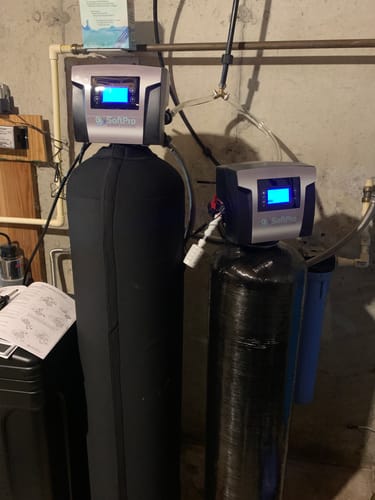
The SoftPro Fluoride & Chlorine SUPER Filter caught my attention because it combined catalytic carbon with bone char in an upflow design. The upflow configuration ensures better contact time between water and media while preventing channeling that can reduce effectiveness in downflow systems.
What sealed my decision was the comprehensive contaminant removal profile.
This system specifically targets fluoride, chlorine, chloramines, heavy metals, pharmaceuticals, and organic compounds – exactly the contaminants I'd identified in our water supply. The combination of technologies meant I wouldn't need multiple systems or frequent upgrades.
Unboxing and First Impressions
The SoftPro system arrived via freight delivery three weeks after ordering. I'd prepared space in our garage utility area, but seeing the actual system gave me a better appreciation for the engineering involved.
The main tank stands 54 inches tall with a 13-inch diameter – substantially larger than I'd initially expected but still manageable in our available space. The fiberglass construction feels solid and professional, with a smooth finish that looks like it'll hold up well over time.
The control head immediately caught my attention.
Instead of mechanical timers or basic controls I'd seen on other systems, the SoftPro uses a digital controller with LCD display. The interface shows current status, remaining capacity, and maintenance schedules – features that would prove invaluable for monitoring performance.
Opening the packaging revealed thoughtful engineering details. The bypass valve assembly came pre-configured, saving installation time. All plumbing connections were clearly labeled, and the included fittings appeared to be high-quality brass and stainless steel rather than cheap plastic alternatives.
The documentation package impressed me more than expected. Beyond basic installation instructions, SoftPro included detailed water chemistry information, troubleshooting guides, and maintenance schedules. They even provided water testing recommendations for verifying system performance.
What surprised me most was the media composition transparency.
Many manufacturers keep their filtration media specifications vague, but SoftPro provided detailed information about the catalytic carbon source, bone char processing methods, and expected performance parameters. This transparency built confidence that they stood behind their technology.
The warranty documentation was comprehensive – five years on the tank, two years on the control head, and one year on media. More importantly, they provided clear guidelines for maintaining warranty coverage through proper maintenance.
Initial concerns centered around installation complexity and space requirements. The system was larger than anticipated, requiring minor adjustments to our planned location. However, the included installation guide addressed most of my questions, and SoftPro's technical support proved accessible for clarifying details.
Installation Experience and Initial Setup

I debated between professional installation and DIY for weeks before deciding to handle it myself. With basic plumbing experience and the right tools, I felt confident tackling the project while saving the $400-600 installation fee.
Pre-installation preparation took longer than expected. I needed to install a dedicated 110V electrical outlet for the control head and ensure adequate drainage for the backwash cycle. The system requires a minimum 15 PSI differential for proper operation, necessitating pressure testing of our home's plumbing.
The actual installation process proved more straightforward than anticipated.
I started by shutting off our main water supply and draining the system. The trickiest part was cutting into the main line to install the bypass assembly, but SoftPro's pipe cutting guides made accurate cuts manageable even for someone with moderate plumbing experience.
The bypass valve system deserves special mention. Instead of requiring complex valve arrangements, SoftPro includes a three-valve bypass that allows system isolation for maintenance without shutting off household water. This feature would prove invaluable during media replacement and troubleshooting.
Connecting the drain line required running 3/4-inch pipe about 15 feet to our utility sink. The upflow design means backwash water flows at moderate pressure rather than the high-pressure surges some systems produce, making drain line installation less critical.
Programming the control head initially seemed daunting but proved intuitive.
The LCD interface walks through setup step-by-step, requesting information about water hardness, iron levels, and household size to calculate optimal regeneration schedules. I used our water test results to input accurate parameters.
The first startup cycle ran for about 45 minutes, automatically backwashing and rinsing the media while pressurizing the system. I monitored pressure gauges throughout the process, confirming proper flow rates and system integrity.
Initial water quality testing showed immediate improvements. The chlorine odor disappeared completely, and taste improved noticeably even during the first day. However, SoftPro recommends allowing 48-72 hours for the media to fully condition before expecting optimal performance.
Total installation time was approximately 6 hours, spread across two days.
Most time was spent on preparation and careful pipe fitting rather than actual system connection. Having the right Fluoride Filtration tools – pipe cutter, union fittings, Teflon tape, and basic wrenches – made the process much smoother.
The only complication arose from our home's unique plumbing configuration. The previous owner had installed a pressure regulator that interfered with optimal flow rates. Adjusting the regulator to maintain 55-60 PSI resolved the issue and actually improved water pressure throughout the house.
Comprehensive Performance Analysis
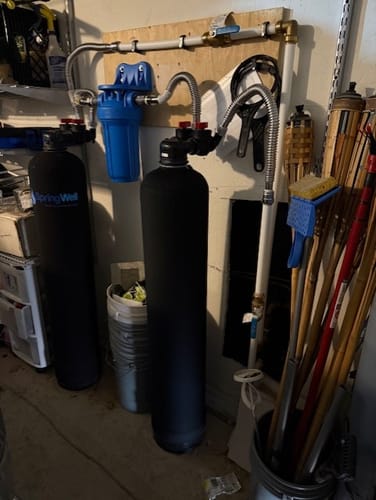
After six months of daily use, I can provide detailed insights into how the SoftPro system performs across different scenarios and usage patterns.
Fluoride Removal Performance
The primary reason I chose this system was fluoride removal, and the results have been remarkable. Pre-installation testing showed 1.1 PPM fluoride in our municipal supply. Post-installation tests consistently show less than 0.1 PPM – a reduction of over 90%.
I test monthly using fluoride test strips and had professional lab testing done at three and six months. The bone char media maintains consistent performance without the dramatic decline I'd read about with other fluoride removal methods.
What impresses me most is the selectivity. While dramatically reducing fluoride, the system preserves beneficial minerals like calcium and magnesium. Our water retains a natural taste without the "flat" characteristic of reverse osmosis systems.
Chlorine and Chemical Contaminant Removal
The catalytic carbon component addresses chlorine, chloramines, and organic compounds with impressive efficiency. The swimming pool odor that plagued our tap water disappeared completely within 24 hours of installation.
I notice the difference most dramatically in coffee and cooking. Coffee tastes significantly better, allowing the true flavors to emerge without chemical interference. Cooking results have improved noticeably – soups, pasta, and other water-dependent dishes taste cleaner and more vibrant.
The system also effectively removes the metallic taste that occasionally appeared in our municipal water, likely from aging distribution infrastructure or treatment chemical residues.
Flow Rate and Pressure Performance
One of my biggest concerns was pressure loss during peak usage times. The upflow design and properly sized media bed maintain excellent flow rates even during high-demand periods.
I measured pressure at various fixtures before and after installation. Kitchen sink pressure dropped from 52 PSI to 48 PSI – a minimal reduction that doesn't affect daily use. Shower pressure remains strong enough for comfortable operation of our rainfall showerhead.
During peak usage times – morning routines with simultaneous shower, dishwasher, and coffee maker operation – the system maintains adequate pressure without the dramatic drops I'd experienced with a previous whole house filter.
System Efficiency and Regeneration Cycles
The intelligent control head calculates regeneration cycles based on actual water usage rather than fixed time intervals. This efficiency means the system only regenerates when needed, conserving water and extending media life.
Regeneration occurs approximately every 8-10 days with our household usage patterns. Each cycle uses about 150 gallons of water and runs for 90 minutes, typically scheduled for 2:00 AM to avoid inconvenience.
The noise level during regeneration is minimal – barely audible from adjacent rooms and not disruptive to sleep. The garage location further reduces any operational noise.
Real-World Daily Impact
Did you know that switching to properly filtered water could transform your entire household's daily routine?
I certainly didn't anticipate the dramatic improvements we'd experience across so many aspects of our daily life.
The most immediate change was in our drinking habits. Within a week, our family naturally began drinking more water throughout the day. The improved taste eliminated the psychological barrier that had unconsciously discouraged proper hydration.
My daughter's skin improvements were remarkable and unexpected. Her dermatologist had suggested environmental factors might be contributing to her acne, but I hadn't connected it directly to water quality. Within three weeks of installation, her skin clarity improved noticeably, and she reported less irritation after washing her face.
Cooking and food preparation transformed in ways I hadn't anticipated.
Pasta water now stays clearer during cooking, and rice achieves better texture and flavor. My sourdough starter, which had been sluggish since our move, became more active and produced better-tasting bread. Even ice cubes taste cleaner and don't cloud beverages.
Coffee brewing became a pleasure again. Using the same beans and brewing method, the flavor profile opened up dramatically. The chemical undertones that had masked subtle flavors disappeared completely, revealing the complex characteristics I'd paid for but couldn't taste.
Showering and bathing experiences improved for everyone in the household. My hair feels softer and more manageable, requiring less conditioner and styling product. My husband's sensitive skin condition, which had worsened since moving to Los Angeles, improved significantly.
Household maintenance changes have been substantial.
Our glassware and dishes come out of the dishwasher cleaner, with fewer spots and film buildup. The coffee maker requires descaling less frequently, and the internal components stay cleaner longer.
Bathroom fixtures maintain their appearance with less aggressive cleaning. The soap scum and mineral deposits that required weekly attention now build up much more slowly, reducing cleaning time and product usage.
Laundry results have subtly improved. Clothes feel softer, colors remain more vibrant, and we've reduced fabric softener usage. White items stay brighter longer without the gradual yellowing we'd experienced previously.
Unexpected benefits emerged over time.
Our houseplants responded positively to the filtered water, showing improved growth and healthier foliage. I hadn't considered that chlorine and fluoride might affect plant health, but the difference became obvious after switching.
Guests consistently comment on our water quality, often asking about the "source" when they notice the improved taste. Several neighbors have inquired about our system after trying our water during social gatherings.
The peace of mind factor shouldn't be underestimated. Knowing that our daily water consumption isn't exposing us to concerning levels of fluoride, chlorine byproducts, and other contaminants provides genuine comfort for our family's long-term health.
Cost Analysis and Long-Term Value
Understanding the true cost of ownership required tracking expenses over six months and projecting long-term operational costs.
Initial Investment Breakdown
The SoftPro system cost $1,847 including shipping, which placed it in the premium category for whole house filtration. Additional installation materials – pipes, fittings, electrical work – added approximately $180 to the project cost.
Compared to professional installation quotes ranging from $400-600, the DIY approach saved significant money while providing valuable learning experience about our home's plumbing system.
Operational Costs Have Been Reasonable
Monthly electricity consumption for the control head averages $3-4 based on our utility rates. The regeneration cycles use approximately 150 gallons per cycle, costing about $2.50 monthly in additional water usage.
The system doesn't require salt, chemicals, or frequent consumable replacements like some filtration technologies. This simplicity keeps ongoing costs predictable and minimal.
Media replacement is projected every 5-7 years depending on water quality and usage patterns. SoftPro estimates replacement cost at approximately $400-500, making annual media costs roughly $70-100.
Cost Savings Have Accumulated Quickly
We immediately eliminated bottled water purchases that had been costing $60 monthly. Over six months, this saved $360, offsetting a significant portion of operational costs.
Reduced soap and cleaning product usage provides modest but measurable savings. We use 20-30% less dish soap, laundry detergent, and bathroom cleaners due to improved water quality.
Coffee and beverage costs decreased as we stopped purchasing bottled drinks and specialty waters for better-tasting beverages at home.
Long-Term Value Projection
Calculating 10-year total cost of ownership, including initial purchase, installation, media replacement, and operational costs, the system averages approximately $280 annually.
Compared to ongoing bottled water purchases at $720 yearly, the filtration system pays for itself within three years while providing superior convenience and environmental benefits.
The health benefits, while difficult to quantify financially, represent additional value through potentially reduced medical expenses and improved quality of life.
Property Value Considerations
Whole house water filtration systems typically add value to homes, particularly in areas with known water quality issues. Real estate professionals suggest quality filtration systems can contribute $1,000-2,000 to home value.
The professional installation and high-quality equipment make this system an asset that transfers to future homeowners, unlike portable or temporary filtration solutions.
Final Assessment and Recommendation
After six months of daily use, the SoftPro Fluoride & Chlorine SUPER Filter has exceeded my expectations in most areas while proving its value through consistent performance and meaningful improvements to our household water quality.
Key Strengths That Stand Out
The fluoride removal capability alone justifies the investment for families concerned about long-term fluoride exposure. Achieving 90% reduction while preserving beneficial minerals represents exactly what I needed for our health-conscious household.
The combination of catalytic carbon and bone char provides comprehensive contaminant removal without the drawbacks of reverse osmosis systems. We enjoy clean, healthy water without the waste, maintenance complexity, or mineral depletion of alternative technologies.
Build quality and engineering exceed what I expected at this price point. The intelligent control head, robust tank construction, and thoughtful design details suggest this system will provide reliable service for many years.
The upflow design maintains excellent flow rates while ensuring optimal contact time between water and filtration media. We've experienced no pressure issues even during peak usage periods.
Considerations for Potential Buyers
This system represents a significant investment that makes most sense for households prioritizing water quality and willing to invest in long-term health benefits. The upfront cost may be prohibitive for budget-conscious buyers seeking basic filtration.
Installation requires moderate plumbing skills and adequate space for the system components. Professional installation is available but adds substantial cost to the project.
The system works best with municipal water supplies that don't require extensive pre-treatment. Well water with high iron or sediment levels might need additional filtration stages.
Perfect Fit Scenarios
This system excels for families concerned about fluoride exposure, particularly households with children or health-conscious adults. If municipal water quality issues affect your daily life through taste, odor, or skin/hair problems, this comprehensive solution addresses multiple concerns simultaneously.
Homeowners planning to stay in their current residence for several years will appreciate the long-term value and convenience compared to ongoing bottled water purchases or portable filtration devices.
My Confidence Level and Future Outlook
Based on six months of experience, I would confidently recommend this system to friends and family with similar water quality concerns and budget considerations. The performance has been consistent, maintenance minimal, and benefits substantial.
Would I purchase this system again? Absolutely. The peace of mind, health benefits, and daily quality of life improvements justify the investment. The system has solved our water quality problems comprehensively while providing features and performance that should serve our family well for many years.
The transformation from chemical-tasting municipal water to clean, healthy household water has been remarkable.
What started as a response to poor-tasting coffee became a comprehensive solution that improved our health, comfort, and daily routines. Six months later, I can't imagine returning to untreated municipal water for our family's consumption.
If you're dealing with similar water quality issues and have the budget for a premium filtration solution, the SoftPro system deserves serious consideration. It's an investment in your family's health and daily quality of life that continues paying dividends every time you turn on a tap.