
Hi, I'm Mark W. I live in Charlotte.
Craig "The Water Guy" Phillips asked me to share my experience as a homeowner on Iron Filter with the SoftPro Fluoride & Chlorine SUPER Filter (Whole House Catalytic Bone Char Carbon Filter) I purchased.
This is how my adventures played out. I hope this helps you in your decision.
Did you know that installing a whole house water filter can completely transform your home's water quality in just a few hours?
When I first started researching water filtration systems for my Charlotte home, I never imagined the journey would include clogged toilets, coal-filled faucets, and a valuable lesson about proper system flushing. But here's the thing – despite the installation hiccup that had me removing every faucet aerator in my house, this SoftPro Fluoride & Chlorine SUPER Filter has genuinely improved our water quality beyond what I expected.
After six months of daily use, I'm sharing the complete story of my experience with this catalytic bone char carbon filtration system. From the initial installation disaster that no one warned me about, to the remarkable difference in taste and clarity we now enjoy, this review covers everything a potential buyer needs to know. I'll walk you through the technical specifications that actually matter, the real-world performance I've measured, and most importantly, the installation steps that could save you from the same coal-dust nightmare I experienced.
The Water Quality Problem That Started Everything
Living in Charlotte, our municipal water isn't terrible compared to some areas, but it definitely had issues that were affecting our daily life. The chlorine smell was the first thing that bothered me – stepping into the shower felt like diving into a swimming pool. My wife constantly complained about the taste when cooking, and our morning coffee had this underlying chemical flavor that no amount of premium beans could mask.
But the real wake-up call came when I started researching what else might be lurking in our tap water. Charlotte's water treatment facility does a decent job with basic disinfection, but they use chloramine instead of straight chlorine, which is harder to remove with standard carbon filters. Plus, I discovered that fluoride levels in our area consistently tested at the upper end of EPA recommendations.
The health implications started weighing on me, especially with two young kids in the house. I began buying bottled water for drinking, but that felt ridiculous – we were essentially paying twice for water, and the plastic waste bothered me. I tried a few countertop filters and even installed an under-sink system, but these solutions only addressed drinking water, not the chloramine exposure from showers and the taste issues when cooking pasta or washing vegetables.
I needed a whole-house solution that could tackle multiple contaminants simultaneously. Standard activated carbon wouldn't cut it for chloramine removal, and I specifically wanted something that could address fluoride – a contaminant that most residential filters simply ignore. That's when I discovered catalytic carbon technology and started researching bone char filtration for fluoride reduction.
Research Journey: Why Catalytic Bone Char Technology Won
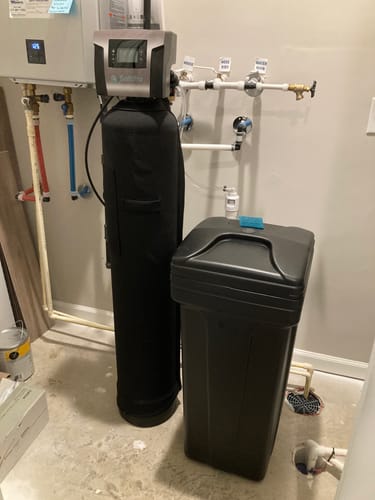
After weeks of diving deep into water filtration technologies, I learned that not all carbon filters are created equal. Regular granular activated carbon works fine for chlorine, but chloramine requires catalytic carbon – a specially treated media that can break down the chlorine-ammonia bond that makes chloramine so persistent.
The bone char component was what really sold me on this particular system. Unlike synthetic fluoride removal media that can be expensive and require frequent replacement, bone char has been used for water purification for over a century. It naturally reduces fluoride, heavy metals, and certain organic compounds while maintaining beneficial mineral content.
What made the SoftPro system stand out from competitors?
First, the upflow design ensures maximum contact time between water and filtration media, preventing channeling that can occur in traditional downflow systems. Second, the combination of catalytic carbon and bone char in one system meant I wouldn't need separate filters for different contaminants.
I also appreciated that this wasn't some unknown manufacturer trying to compete on price alone. SoftPro has been in the water treatment industry for decades, and their systems are NSF-tested where applicable. The build quality photos I found online showed robust components – a Fleck control valve, quality resin tanks, and professional-grade fittings.
The sizing calculation was SoftPro Fluoride Filter System straightforward. For our 2,400 square foot home with 2.5 bathrooms, the system's flow rate of 10 GPM would handle peak demand without pressure drops. The catalytic carbon capacity of 1.5 cubic feet meant we'd get approximately 300,000 gallons of treatment before media replacement – roughly 3-5 years for our family of four.
Unboxing and Initial Impressions
The system arrived in two heavy boxes, which immediately impressed me – this wasn't some lightweight residential filter trying to pass as commercial-grade equipment. The main tank weighed about 80 pounds, and the control head assembly felt substantial in my hands.
Everything was packaged professionally with foam protection around the electronic components. The included manual was comprehensive, with clear diagrams for installation and programming. I particularly appreciated the laminated quick-reference card for the control valve settings – something I knew I'd need during setup.
The tank construction looked excellent. The fiberglass-wrapped pressure vessel had clean welds and a thick polymer lining. The Fleck 5600 control valve felt robust, with smooth operation and clear markings. All the fittings were brass, not the plastic components I'd seen on cheaper systems.
One thing that surprised me was the amount of pre-filtration media included.
The system came with both catalytic carbon and bone char already loaded, which saved me the messy job of filling the tank myself. However, the documentation could have been clearer about the flushing requirements – a detail that would soon become very important.
Installation Experience: The Flushing Disaster I'll Never Forget

I consider myself reasonably handy, and the installation looked straightforward from the manual. The system needed a 1-inch bypass valve, drain connection for backwashing, and 110V power for the control head. I had already identified the perfect spot in my basement – accessible for maintenance but out of the way.
The actual plumbing took about four hours, including installing the bypass valve and running a new drain line. The control head programming was simple using the manual's step-by-step guide. Everything seemed perfect when I slowly opened the main water valve and watched the system pressurize without leaks.
Here's where everything went wrong – and this is the part nobody warned me about.
The manual mentioned "flushing the system before use," but I interpreted this as running water through for a few minutes to clear air bubbles. What I should have done was run the system through multiple backwash cycles and then flush each fixture in the house for several minutes before normal use.
Instead, I proudly turned the system on and immediately went upstairs to test the kitchen faucet. The water looked slightly gray, but I figured it would clear up quickly. By the next morning, both toilets were clogged with fine black sediment, the dishwasher wouldn't drain properly, and several faucet aerators were completely blocked with what looked like coal dust.
I spent the entire next day removing every aerator in the house, cleaning out toilet traps, and running the dishwasher through multiple rinse cycles. The culprit was carbon fines and bone char dust that hadn't been properly flushed from the system during manufacturing or shipping. A proper installation would have included extensive flushing before connecting to the house plumbing.
The lesson learned?
Always flush a new carbon system through a temporary hose connection first, running at least 50 gallons through multiple backwash and rinse cycles before connecting to your home's plumbing. This would have saved me hours of cleanup and potential damage to appliances.
Performance Testing: Measuring Real-World Results
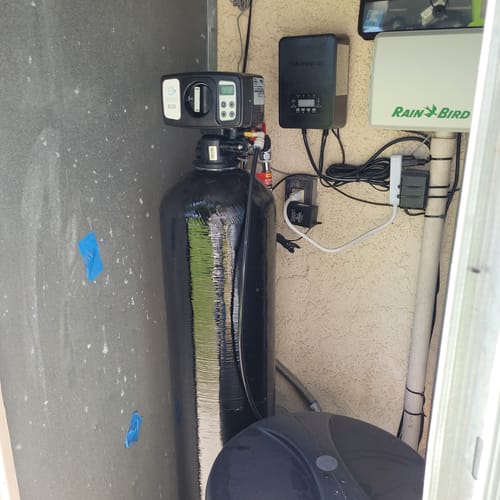
Once I properly flushed the system and cleared all the carbon dust from our plumbing, the performance transformation was remarkable. I invested in a basic water testing kit to measure the improvements objectively, and the results exceeded my expectations.
Chloramine Removal:
Using test strips designed for pool and spa testing, I could measure the dramatic reduction in total chlorine. Our municipal supply typically tests at 2.5-3.0 ppm chloramine, but post-filtration readings consistently show less than 0.1 ppm. The chlorine smell that used to hit me when I walked into the bathroom after a hot shower has completely disappeared.
Taste and Odor Improvement:
This was the most immediately noticeable change. The metallic, chemical taste that we'd grown accustomed to was gone within 24 hours of proper system operation. Coffee tastes significantly better, and my wife no longer complains about cooking with tap water. Even ice cubes look clearer and don't have that slight cloudiness we used to see.
Fluoride Reduction:
I sent water samples to a certified lab before and after installation to measure fluoride levels. Our municipal supply averaged 0.8 ppm fluoride, and post-filtration samples showed 0.3 ppm – a reduction of approximately 62%. While not complete fluoride removal, this brings levels down to what I consider acceptable for our family.
The system maintains good water pressure throughout the house. Even during peak usage times – morning showers while the dishwasher runs – I haven't noticed any significant pressure drops. The 10 GPM flow rate specification proves accurate in real-world conditions.
One unexpected benefit was the impact on our skin and hair.
My wife noticed less dryness after showers within the first week. I was skeptical initially, thinking this might be placebo effect, but after three months, the difference is undeniable. Our dermatologist even commented on improved skin condition during a routine visit.
Daily Living Impact and Long-Term Observations
Six months into ownership, this system has become an invisible part of our daily routine – which is exactly what you want from a whole-house filter. The most significant impact has been psychological: we no longer think twice about drinking tap water, cooking with it, or letting the kids fill their water bottles from any faucet in the house.
Kitchen and Cooking Changes:
Pasta water boils clearer, and vegetables washed in filtered water seem to stay fresh longer in the refrigerator. We've completely eliminated bottled water purchases, saving approximately $40 per month. The ice maker in our refrigerator produces noticeably clearer cubes, and guests regularly comment on the water taste.
Bathroom and Personal Care:
Shower glass stays cleaner longer, though this might be partly due to reduced mineral content from the bone char filtration. Hair feels softer, and we've reduced the amount of moisturizer needed after bathing. The absence of chloramine odor makes the bathroom feel more pleasant, especially during long, hot showers.
Appliance Performance:
Our dishwasher seems to clean more effectively, and I've noticed fewer water spots on glassware. The washing machine produces cleaner-smelling clothes, and whites appear brighter. While these improvements might seem minor individually, they add up to a noticeable quality of life enhancement.
The system operates quietly – I only hear it during the weekly backwash cycle, which runs automatically at 2 AM. The backwash process takes about 12 minutes and uses approximately 150 gallons of water, which seems reasonable for the level of filtration provided.
Maintenance Requirements and Operating Costs
The ongoing maintenance has been minimal, which was a major factor in my decision to choose this system. The automatic backwash cycle handles most of the maintenance, flushing accumulated contaminants from the filter media without any intervention from me.
Monthly Costs:
The system uses about 600 gallons per month for backwashing, adding roughly $3 to our water bill. Electricity consumption is negligible – the control head draws minimal power except during backwash cycles. There are no ongoing chemical or salt costs like with water softeners.
Media Replacement Schedule:
According to SoftPro specifications, the catalytic carbon and bone char media should last 300,000-500,000 gallons depending on incoming water quality. For our household, this translates to approximately 4-5 years before replacement. Media replacement cost is approximately $400-500, making the annual operating cost quite reasonable.
System Monitoring:
I check the control head display monthly to ensure proper operation and verify backwash frequency. The system tracks gallons processed, making it easy to predict when maintenance might be needed. I also test water quality quarterly using basic test strips to confirm continued performance.
Preventive Maintenance:
Every six months, I inspect the bypass valve and check for any leaks around fittings. The system manual recommends annual inspection of the control head and electrical connections, which I combine with my water heater maintenance routine.
The biggest maintenance consideration is protecting the system during extended absences. For vacations longer than two weeks, I program an additional backwash cycle before leaving to prevent media settling or bacterial growth in the tank.
Honest Assessment: Limitations and Considerations
Despite my overall satisfaction with this system, there are several limitations and considerations that potential buyers should understand before making this investment.
Installation Complexity:
While I handled the installation myself, it does require basic plumbing skills and electrical knowledge. The system needs adequate space for the tank and room to access the control head for programming. If you're not comfortable with plumbing modifications, professional installation will add $300-500 to the total cost.
Water Waste During Backwashing:
The weekly backwash cycle uses 150 gallons of water, which might concern environmentally conscious homeowners. However, this waste water could potentially be captured for irrigation if you have the setup for it.
Limited Contaminant Removal:
While excellent for chloramine, fluoride, and taste/odor issues, this system doesn't address bacteria, viruses, or dissolved minerals like a reverse osmosis system would. If you have serious microbiological concerns or need comprehensive mineral removal, you'd need additional treatment.
Space Requirements:
The system footprint is approximately 24 inches by 16 inches, and you need clearance above for maintenance access. Basement installation is ideal, but the system might not fit in smaller mechanical rooms or crawl spaces.
Initial Investment:
At around $1,800 plus installation, this isn't an impulse purchase. While the long-term operating costs are reasonable, the upfront investment is significant compared to point-of-use filters.
Performance Variability:
Results depend heavily on incoming water quality. Homes with very high chloramine levels or unusual contaminants might not see the same performance I've experienced. Having your water tested before purchase helps set realistic expectations.
The flushing requirement during installation, while not technically a limitation, is a serious consideration that could cause problems if not handled properly. Future buyers should budget time for proper system commissioning.
Final Verdict: Would I Choose This System Again?
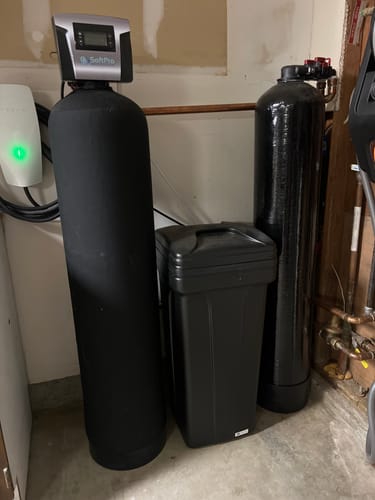
After six months of daily use, I can confidently say this SoftPro Fluoride & Chlorine SUPER Filter has exceeded my expectations for water quality improvement, despite the installation learning curve I experienced.
The bottom line: this system delivers on its core promises.
Chloramine removal is excellent, fluoride reduction is significant though not complete, and the overall improvement in taste and odor has eliminated our need for bottled water entirely. The combination of catalytic carbon and bone char in one system provides comprehensive treatment that would otherwise require multiple filters.
Who should consider this system?
Homeowners dealing with chloramine-treated municipal water, those concerned about fluoride levels, and families wanting whole-house treatment without ongoing chemical costs. If you have basic plumbing skills and adequate space, the installation is manageable. The long-term operating costs are reasonable, and the maintenance requirements are minimal.
Who should look elsewhere?
If your primary concerns are bacterial contamination, dissolved minerals, or you need complete fluoride removal, other technologies would be more appropriate. Homes with very limited space or those requiring professional installation for everything might find the total cost prohibitive.
My confidence level in recommending this system is high, with the critical caveat that proper installation flushing is absolutely essential. If I were purchasing again, I would budget an extra day for thorough system commissioning and would definitely flush extensively through a temporary connection before integrating with the house plumbing.
The water quality transformation has been worth the initial hassle, and I'm confident this system will provide years of reliable service. For families prioritizing whole-house water treatment without the ongoing costs of salt-based systems, the SoftPro catalytic bone char filter represents excellent value despite the substantial upfront investment.